

Emmett Till Interpretive Center: Where History Sparks a Fire in Your Belly to Make the World a Better Place
Based in Sumner, Mississippi, the Emmett Till Interpretive Center (ETIC) promotes restorative justice through public education, storytelling, and historic preservation, focusing on the 1955 Emmett Till tragedy to foster community healing and understanding to create a more equitable future. As an official park partner of the Emmett Till & Mamie Till-Mobley National Monument and as a member of the National Park Friends Alliance , ETIC stands at the intersection of historic preservation and compassionate truth-telling.
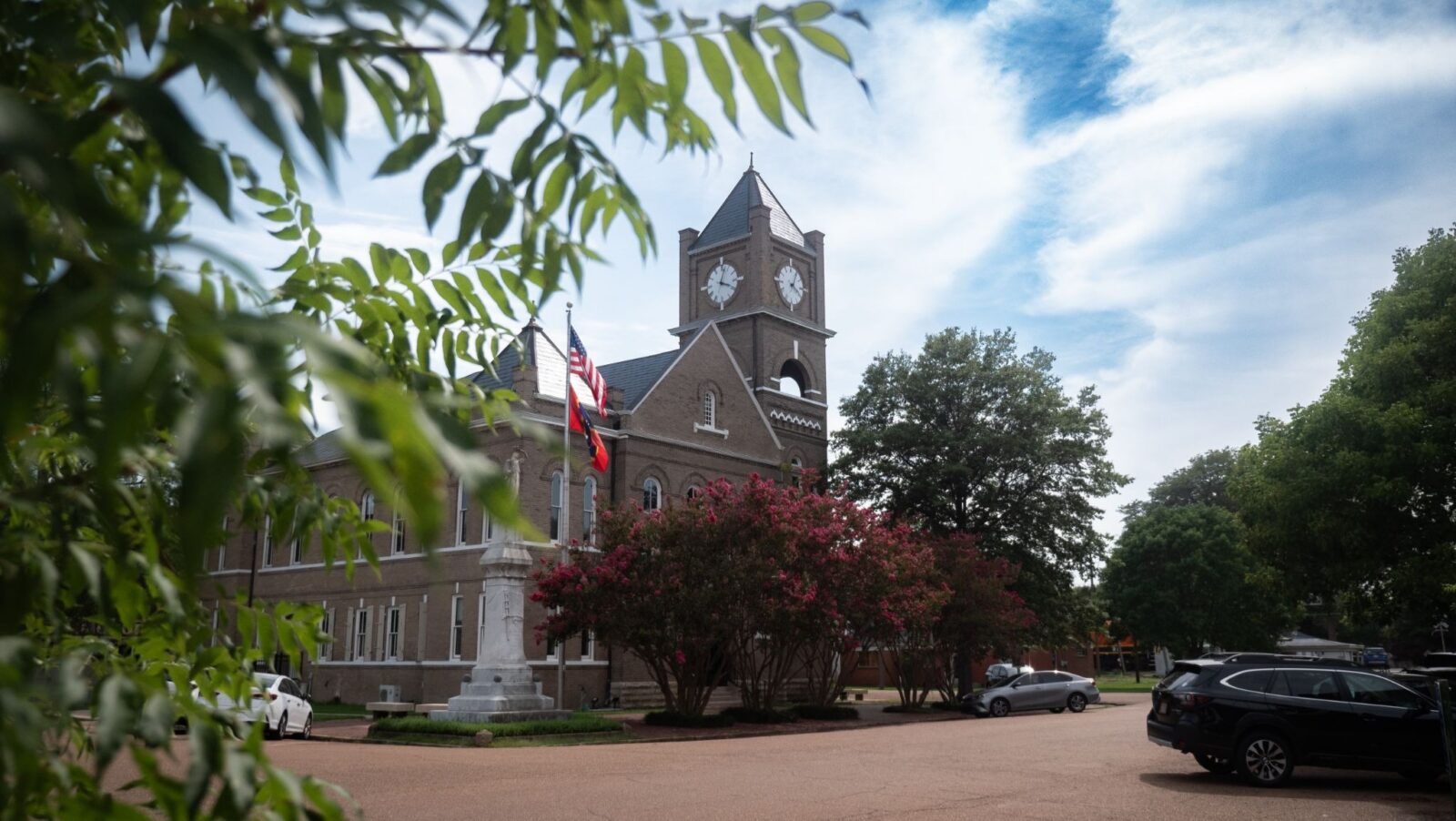
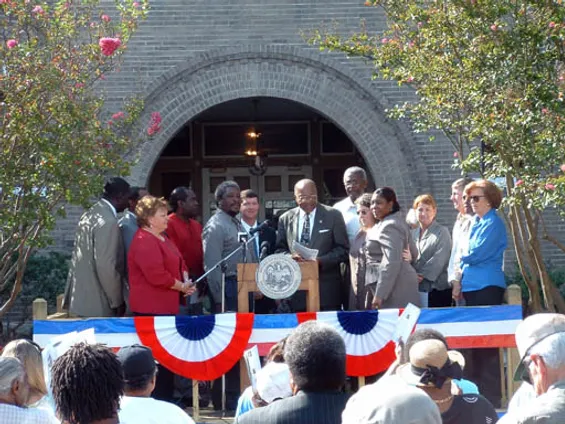
A major milestone for the Center came with the 2014 restoration of the historic Tallahatchie County Courthouse, the site of the 1955 trial of J.W. Milam and Roy Bryant for the murder of 14-year-old Emmett Till. The trial was one of the first great media events of the civil rights movement. After over 50 years of complete silence in Tallahatchie County about what happened to Emmett, community members came together and delivered a public apology to the Till family on the courthouse steps in 2007, launching a new chapter for the community. Local leaders and residents worked to restore the building to its 1955 appearance and provide educational tours to the public while still allowing it to serve the county’s legal needs.
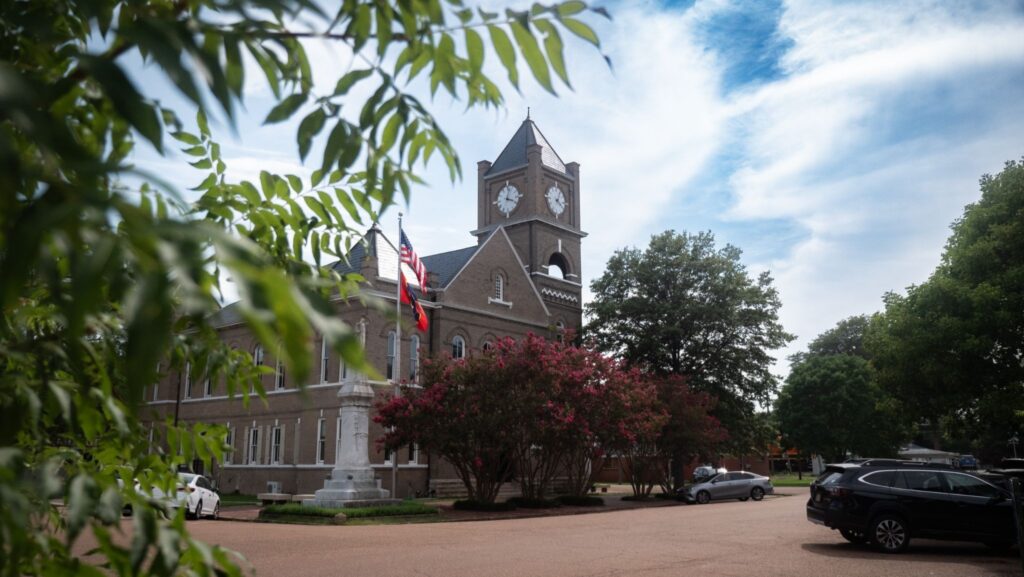
That vision ultimately expanded. In 2023 the site became part of the Emmett Till and Mamie Till-Mobley National Monument, transferring stewardship of the historic courthouse to the National Park Service. This would allow the site to be fully dedicated to interpretation and public education. By doing so, the county would then need a new space for its legal needs. To make this possible, ETIC partnered with the National Park Foundation to raised $1.85 million to support construction of a new county courthouse. Construction is expected to conclude this summer, with a dedication planned for later in the year. This is a testament to the power of public-private partnership. The historic courthouse now gets to be preserved and used for educational purposes, and the county gets a new space to serve their legal needs.
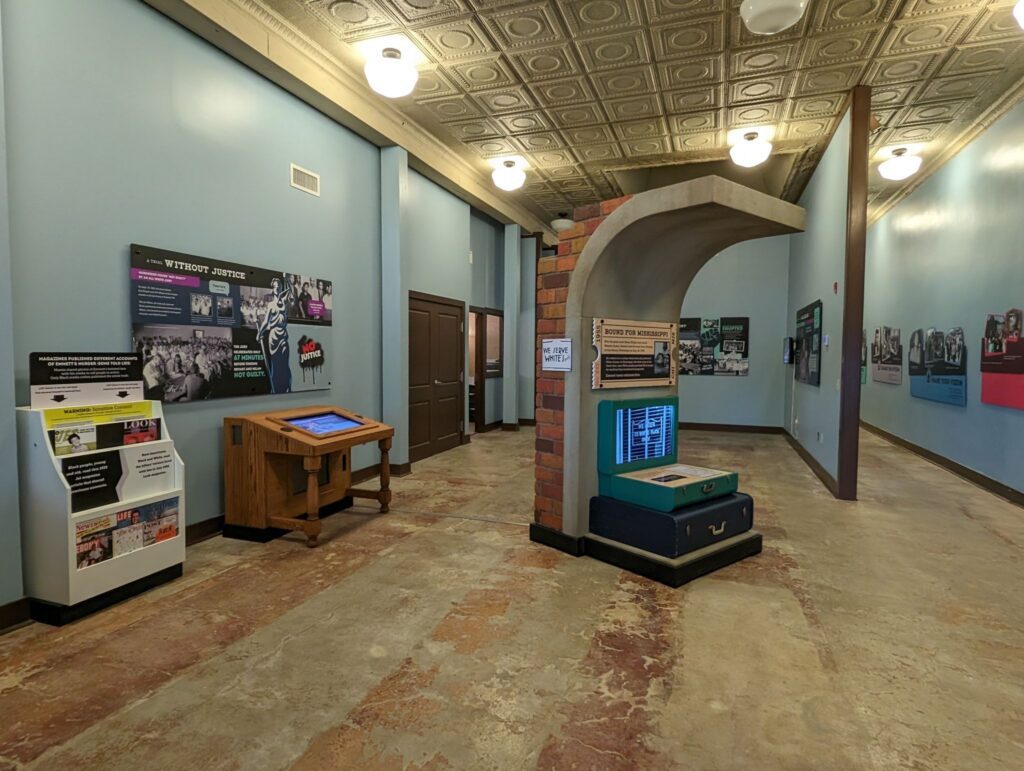
At the heart of the center’s work is a commitment to telling difficult history in ways that inspire action. From 2020 to 2022, ETIC collaborated with the Till family, the Emmett Till & Mamie Till-Mobley Institute, and The Children’s Museum of Indianapolis to develop the Emmett Till & Mamie Till-Mobley: Let the World See exhibit. A replica of the exhibit, including an innovative Sound & Light Show, has been installed at the visitor center to help visitors, especially young people and families, see themselves as agents of positive change. Interactive elements invite visitors to consider what kind of “ripple” they want to create in the world, by offering the opportunity to throw a virtual rock into a body of water. This approach reflects the enduring impact of Emmett Till’s mother, Mamie Till-Mobley, whose decision to publicly share her grief helped spark the Civil Rights Movement.
“We want visitors to leave not with despair, but with a fire in their belly to help make the world a better place” – Patrick Weems, ETIC Executive Director
ETIC also maintains a close philanthropic partnership with NPS that allows ETIC staff to welcome visitors and provide guided tours, ensuring the story is told by community members deeply connected to the history. Despite staffing and funding challenges currently facing the sector, this collaboration keeps the site open and accessible and demonstrates that local stewardship is central to preservation efforts.
“This work was and is not easy to do, but we have the passion and the determination to leave a legacy, to stand for telling the truth and preservation” – Jessie M Jaynes- Dining, Special Projects Coordinator, ETIC
Looking forward, ETIC recently purchased the barn where Till was murdered and plans to restore the site as a memorial and educational stop for visitors. The goal, as always, is not to only preserve structures, but to create spaces where people can confront history honestly and leave motivated to build a more just future.
Support from partners, including the National Park Foundation, and collaboration with preservation groups nationwide continue to help sustain this work.
Through restoration, exhibits, community partnerships, and education, the Emmett Till Interpretive Center demonstrates how preservation can serve both memory and movement, ensuring history is not only remembered, but used to inspire future positive change.